Archive of lost pulses

This section gathers places that once shaped Berlin’s cultural rhythm but no longer exist in their original form. They do not appear on the interactive map: they linger here as afterimages, haunting the current network of hubs.

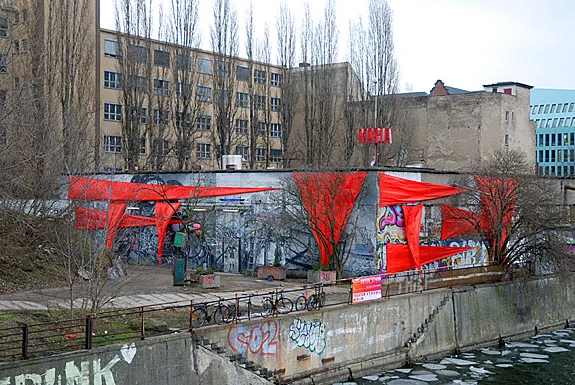
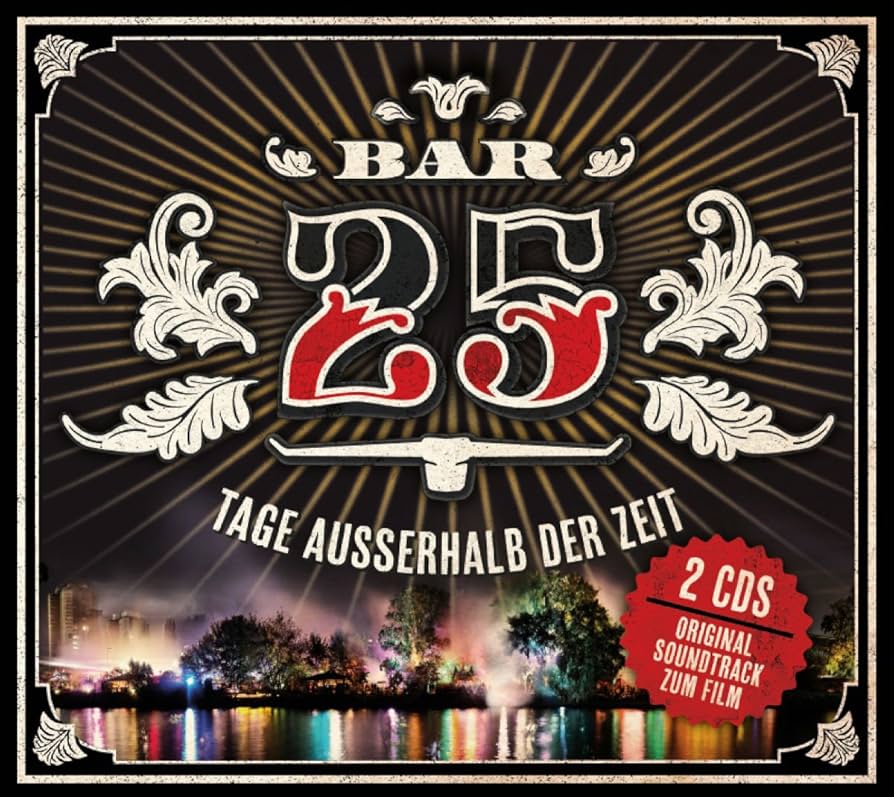
Bar25 riverside scene

Bar25 (1999–2010)

Night Pulse · Spreeufer · Riverside circus and after-hours myth
Night Pulse Open-air Pre-Holzmarkt

Bar25 was a legendary club and camp on the bank of the Spree: a messy riverside carnival of wooden stages, caravans, swing sets, and hammocks. Weekends dissolved into days as people slept on site, changed costumes, and re-entered the dance floor over and over. The space felt improvised but was carefully maintained, like a temporary village built out of surplus time.

Its closure in 2010 became a symbol of the shift from improvised squats and “meanwhile uses” to more formal, developer-friendly city-making. Today, Holzmarkt 25 carries some of its DNA in a cooperative form, but Bar25 survives mainly as a story: a shared reference point in conversations about what Berlin “used to be.”
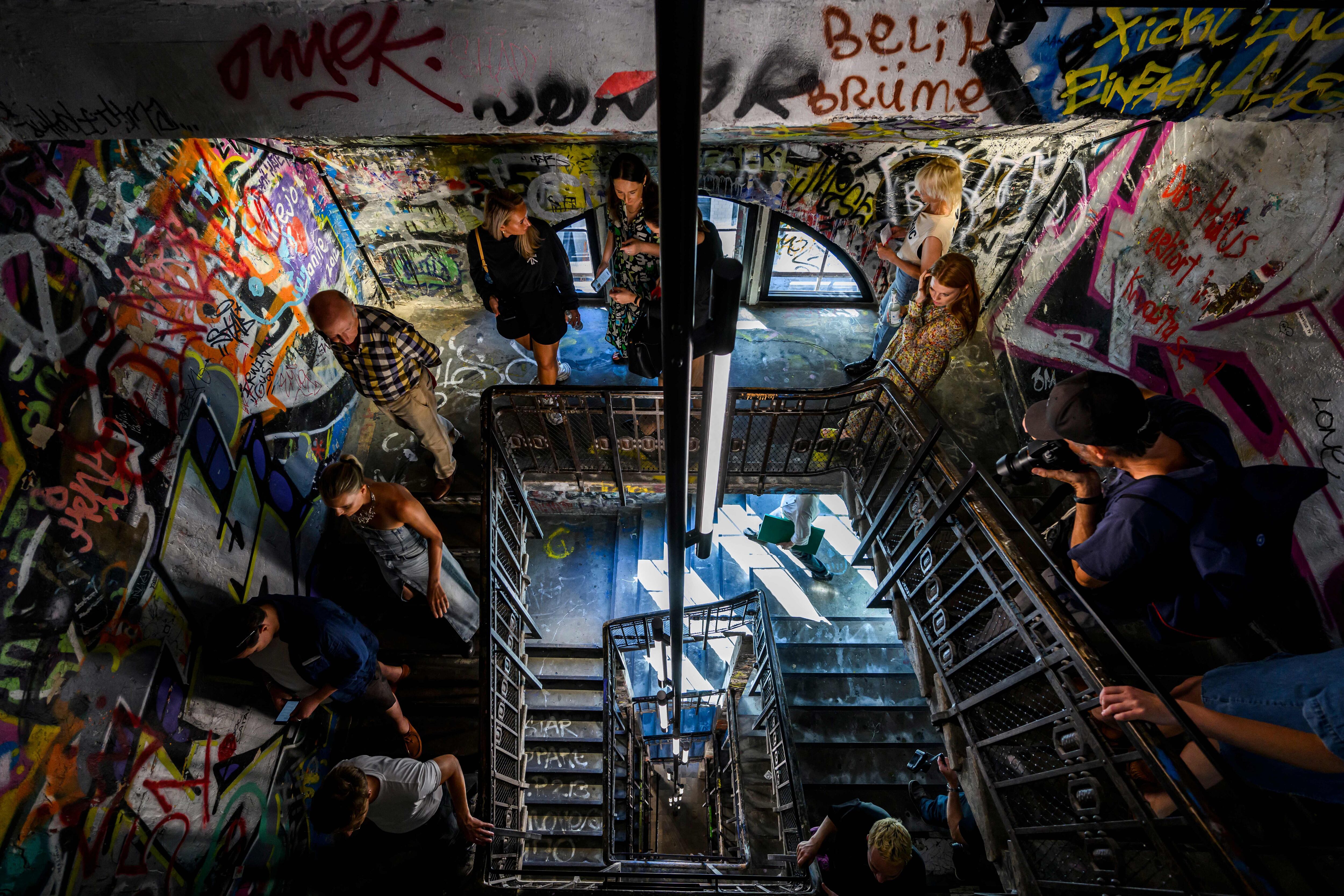
Kunsthaus Tacheles facade with graffiti

Kunsthaus Tacheles (1990–2012)

Art Pulse · Mitte · Squatted department store turned art labyrinth
Art Pulse Squat culture Reunification

Tacheles was a vast, damaged department store in Mitte, taken over by artists shortly after the Wall fell. Inside, studios, bars, galleries, and makeshift cinemas filled rooms where plaster peeled and exposed rebar framed views of the sky. The facades and courtyard became a constantly repainted surface for graffiti and murals.

The site condensed the early 1990s promise of Berlin as a playground of vacant buildings and low rents. Its eviction in 2012, followed by luxury redevelopment, marked a turning point: the end of a particular era of squatted central spaces and the beginning of a more polished, controlled city centre.

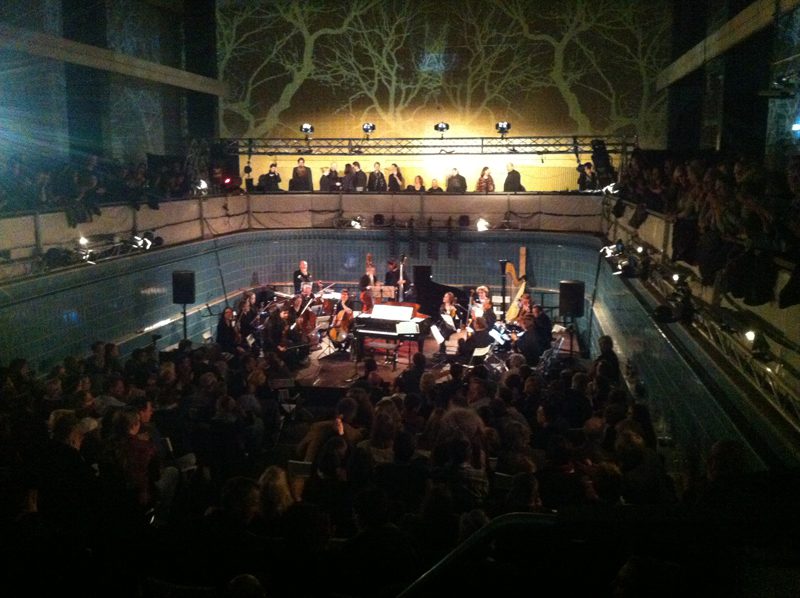
Stattbad empty swimming pool used as venue

Stattbad Wedding (2009–2015)

Night & Art Pulse · Wedding · Swimming pool turned club and art space
Night Pulse Art Pulse Adaptive reuse

Stattbad was a former indoor swimming pool complex that housed a club, studios, and exhibition spaces. Parties and concerts happened inside the drained pool itself, on balconies, and in corridors that still carried the tiled echo of its municipal past. Tiles, lockers, and shower rooms coexisted with fog machines and sound systems.

The venue became a key reference for how Berlin artists used leftover infrastructure: neither fully legal nor fully hidden, both glamorous and precarious. Its closure over safety concerns, followed by partial demolition, left a lingering sense of how quickly such layered spaces can disappear once regulation and real-estate pressures collide.

Griessmuehle industrial club by the canal

Griessmuehle (2011–2020)

Night Pulse · Neukölln border · Grain mill turned industrial club
Night Pulse Canalside Evicted

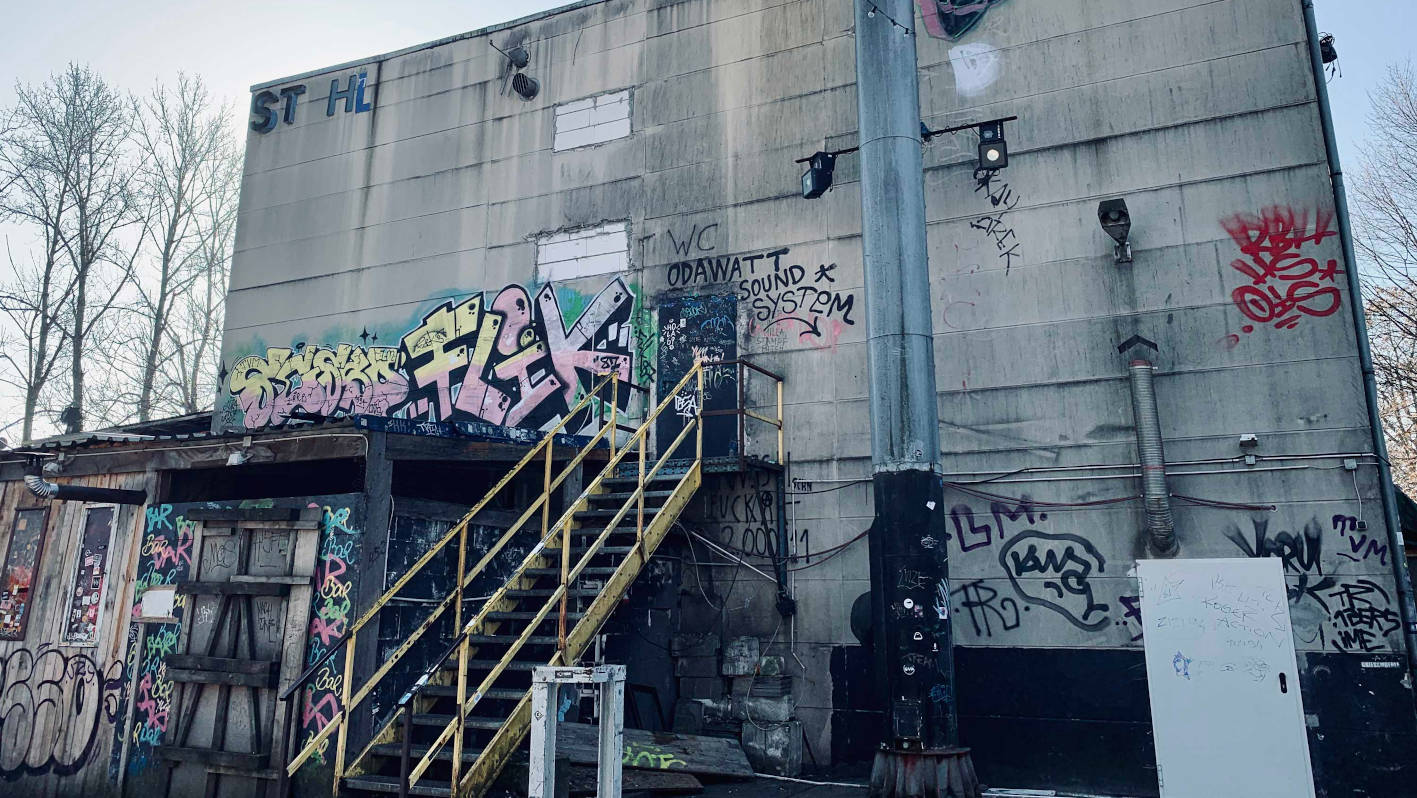
Griessmuehle occupied a former grain mill complex near Sonnenallee, with indoor floors, outdoor yards, and a canal-side garden. Its programme mixed long techno nights, live performances, and markets, creating a meeting point between Neukölln’s night-time economy and its industrial fringe.

The club’s struggle against eviction – and its eventual move and rebranding – made it a case study in how nightlife, logistics companies, and real-estate investors compete for the same marginal spaces. Griessmuehle survives in fragments, but the original site remains a ghost on the canal.

Maria am Ostbahnhof club at the river

Maria am Ostbahnhof (1998–2010)

Night Pulse · Spreeufer · Bridge-adjacent club on the river
Night Pulse Riverside Demolished

Maria am Ostbahnhof was a club sitting directly under the railway tracks and next to the river, operating before the current wave of glass-fronted developments took hold. Its rough rooms and fluctuating line-ups made it a key node for experimental electronic music and off-kilter festival nights.

When it was demolished, the concrete strip along the Spree slowly shifted from improvised venues to planned waterfront projects. Maria’s absence mirrors a broader transition from temporary, precarious cultural use to curated, investment-driven architecture along the river.

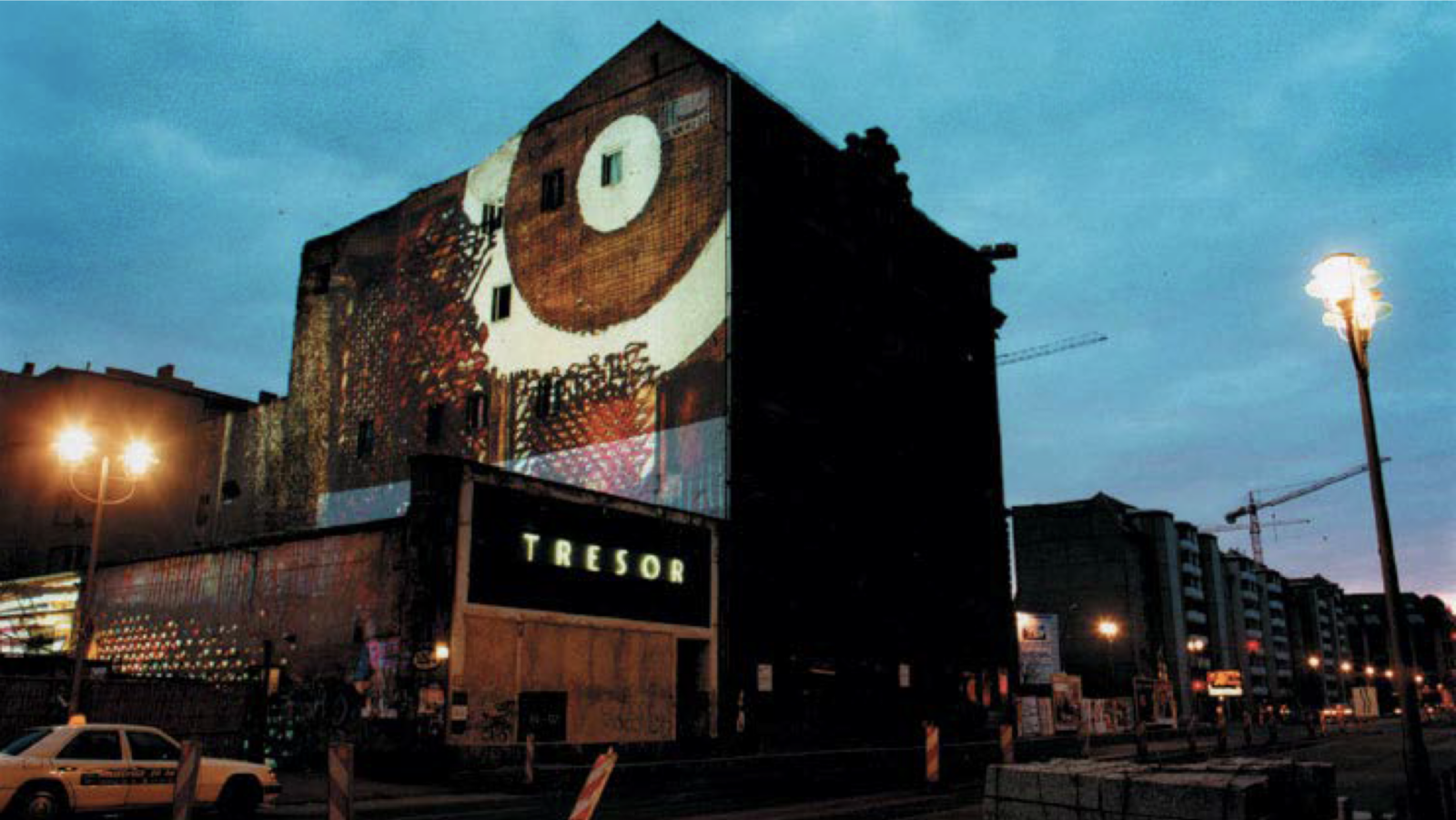
Original Tresor entrance on Leipziger Straße

Tresor (Leipziger Straße, 1991–2005)

Night Pulse · Mitte · Bank vault beneath a department store
Night Pulse Found space Reunification

Before moving to Kraftwerk, Tresor’s original incarnation sat under a now-demolished department store on Leipziger Straße. Dancers descended into a concrete basement where safety deposit boxes, thick doors, and narrow corridors shaped the sound and the feeling of being “inside” the city’s infrastructure.

This site crystallised the idea of Berlin as a city where forgotten, bureaucratic spaces could be turned into cultural engines. Its disappearance is a reminder that even the most iconic club spaces can be temporary tenants in much longer histories of land and capital.

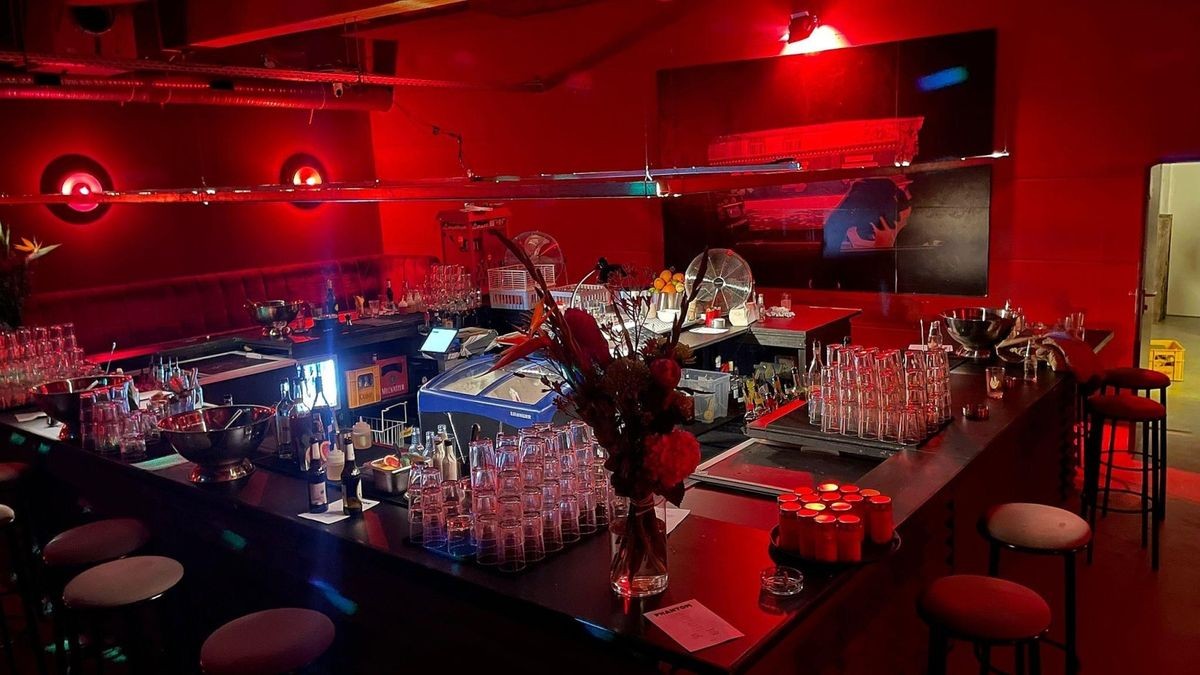
Abstract image for a phantom hub

Phantom Hub · The one that never opened

Conceptual Pulse · Berlin · Cancelled before it existed
Speculative Planning document

Every city has projects that only exist as rumours, PDFs, or half-built scaffolding. This “phantom hub” stands in for unrealised galleries, clubs, and cultural centres that were planned, protested, or funded but never opened their doors.

Including a speculative node in the archive makes visible the fact that cultural space is also shaped by what fails, stalls, or is quietly cancelled. It gestures to a shadow-map of Berlin – one made of planning applications, investment pitches, and dreams that never reached the stage of an address.