Mapping Berlin's Pulse
Home Map Hubs About Archive

Filter the pulse

Combine type, neighbourhood, space, and era to trace Berlin’s rhythms.

Pulse type
Neighbourhood
Space type
Era
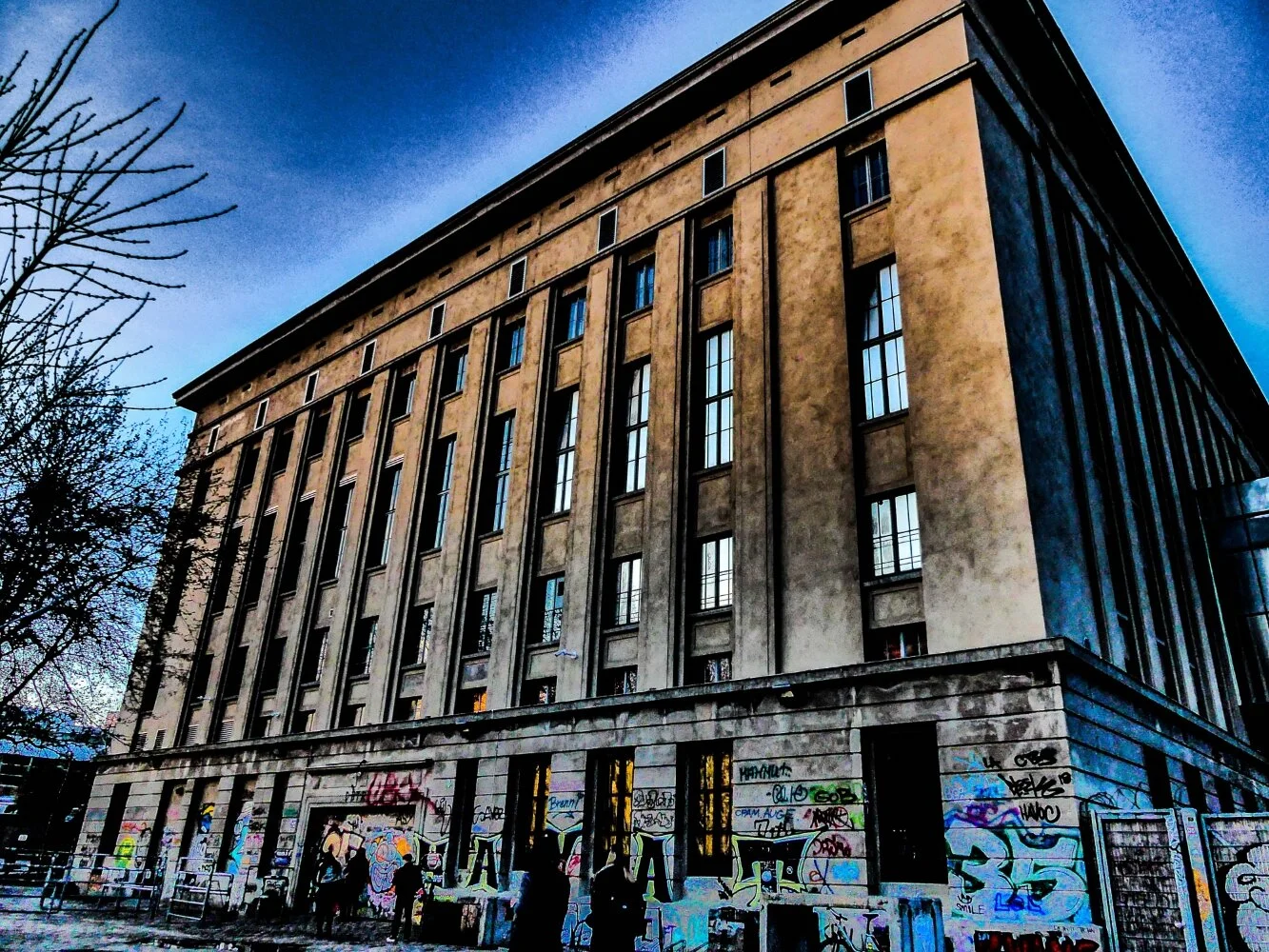
Berghain exterior

Berghain / Panorama Bar

Night Pulse · Friedrichshain · Former heat and power plant
Night Pulse Adaptive reuse 2000s expansion

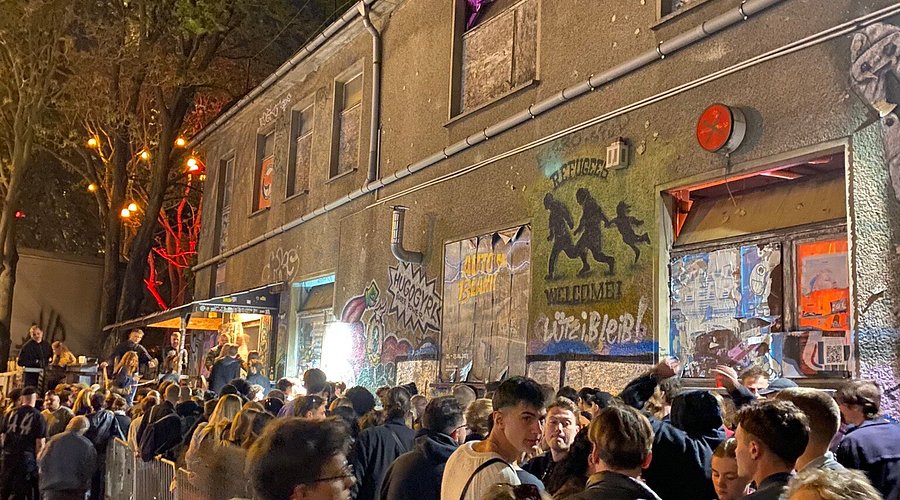
A decommissioned power plant on the former border is now a cathedral of sound and secrecy. Berghain’s concrete hall, blackout curtains, and famously strict door policy build anticipation long before anyone reaches the main floor. The architecture encourages looking up and inward rather than at a stage – the focus is on the crowd, the bass, and the shared fogged-out atmosphere.

As a cultural hub, Berghain condenses multiple scenes: queer nightlife, global techno tourism, and the labour of bar staff, bouncers, and cleaners who keep an invisible infrastructure running. It is less a single “venue” and more a temporary city that pulses from Friday night into Monday afternoon, a place where Berlin’s myths of freedom and anonymity are rehearsed and contested.
Official website Back to map
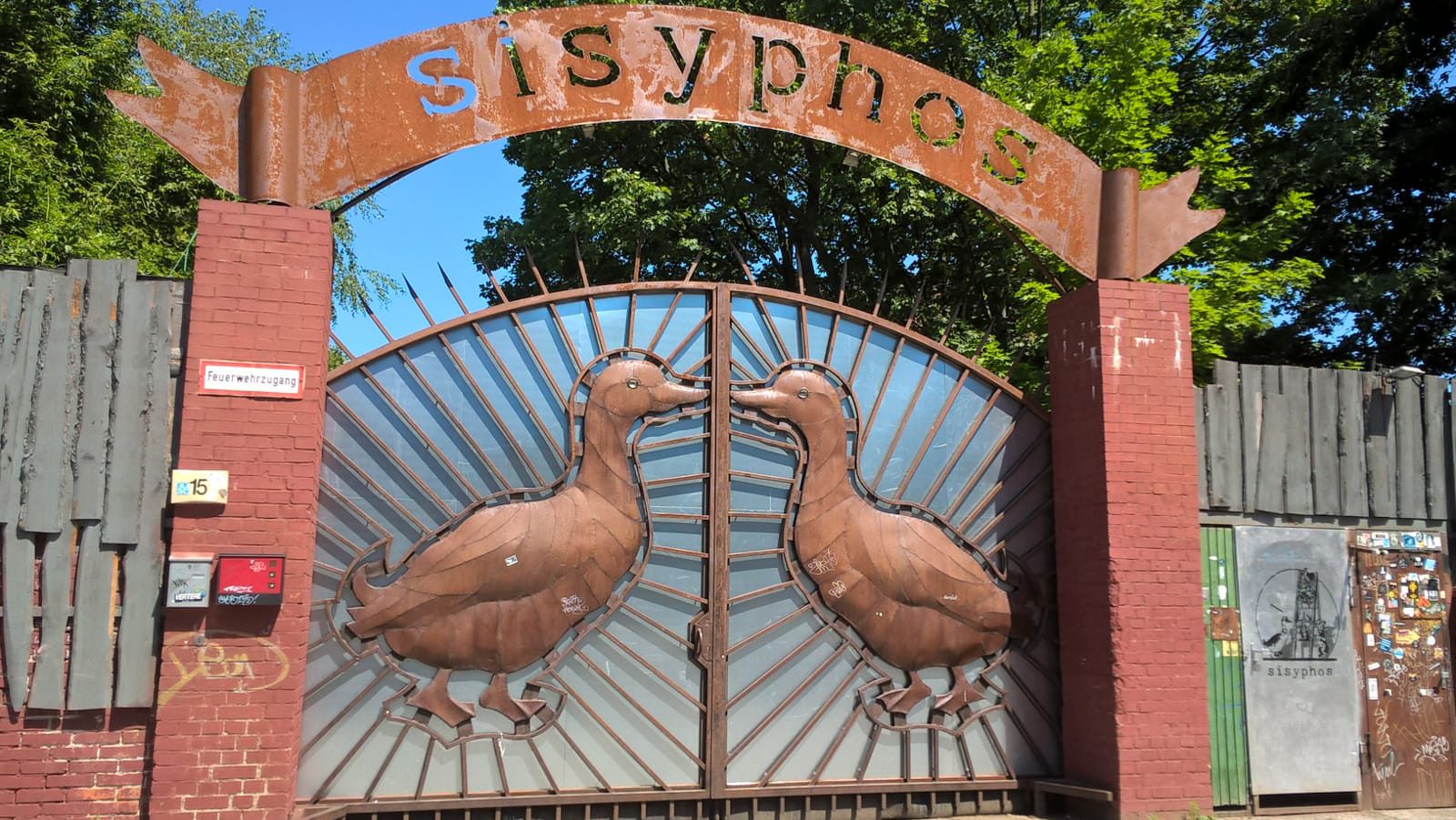
Sisyphos club exterior

Sisyphos

Night Pulse · Rummelsburg · Factory turned festival village
Night Pulse Found space 2000s expansion

Built on a former dog biscuit factory, Sisyphos feels less like a club and more like a parallel universe. Wooden sculptures, fairground lights, fire barrels, and small stages break the site into pockets of activity where no single dance floor dominates. Visitors wander through sheds, tents, and open courtyards, assembling their own route through sound.

Its culture is defined by duration. Weekends stretch into marathons of sleep, return, and repetition; people nap in hammocks, watch the sunrise twice, and drift between friend groups. Sisyphos embodies Berlin’s idea of nightlife as a slow, communal residency rather than a one-off event, turning an industrial leftover into a temporary village.

Official website Back to map
Tresor vault door

Tresor

Night Pulse · Mitte · Post-reunification techno bunker
Night Pulse Adaptive reuse Reunification pulse

Tresor grew inside a bank vault just after the Wall fell, connecting Detroit techno with Berlin’s newly opened voids. Its steel cages, low ceilings, and fog-choked tunnels turned reunified ruins into an experimental sound system, where harsh strobe and minimal light made bodies and bass lines blur.

Historically, Tresor is a bridge between continents and histories. It forged direct links with Black techno pioneers in Detroit at a time when Berliners were rebuilding their city and identities. The club remains an architectural memory of the early 1990s, when abandoned infrastructure briefly became a laboratory for new forms of collective listening.

Official website Back to map
Watergate club by the river

Watergate

Night Pulse · Kreuzberg · Glass club over the Spree
Night Pulse Purpose-built 2000s expansion

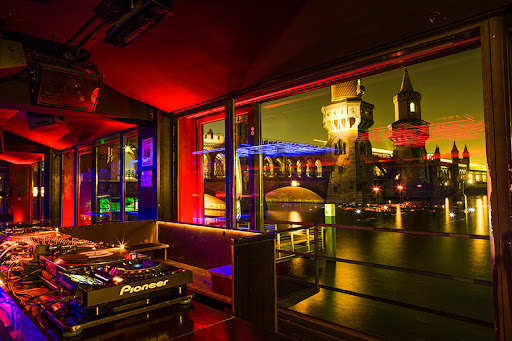
Watergate is perched directly above the river, with floor-to-ceiling windows that frame the Spree as a moving backdrop. Inside, a low ceiling with LED strips turns the main floor into a horizontal light corridor, where dancers move parallel to the river and U-Bahn bridge.

Unlike more hidden or improvised clubs, Watergate embraces the spectacle of the city: sunsets, trains crossing Oberbaumbrücke, reflections of light on the water. It stages Berlin as an image as much as a sound, showing how underground aesthetics can be repackaged into a polished, exportable brand of nightlife.

Official website Back to map
About blank garden

://about blank

Night Pulse · Friedrichshain · Garden, floors, and after-hours
Night Pulse Found space 2010s consolidation

Hidden behind an unassuming gate near Ostkreuz, ://about blank combines multiple indoor floors with a dense, tree-filled garden. Paths, fire pits, and improvised structures create a feeling of layered zones, from hard techno rooms to quiet corners where conversations and cigarettes stretch the night.

The club is also known as an organising space for leftist and queer politics: events, fundraisers, and assemblies happen alongside parties. In this sense, ://about blank is not only a site of escape but of strategy, where nightlife and activism share the same physical infrastructure.

Official website Back to map
KitKatClub entrance

KitKatClub

Night Pulse · Kreuzberg · Sex-positive club institution
Night Pulse Commercial corridor Reunification pulse

KitKatClub fuses techno with a strict, sex-positive dress code, asking guests to dress down rather than up. The space is divided into dance floors, pools, and quieter corners, with an emphasis on body confidence and negotiated boundaries rather than anonymity.

Emerging in the 1990s, KitKat has become a symbol of Berlin’s permissive reputation. At the same time, it raises questions about who can access this “freedom,” how consent culture is produced on the dance floor, and how commercial nightlife monetises fantasies of transgression.

Official website Back to map
Club der Visionäre canal decks

Club der Visionäre

Night Pulse · Kreuzberg · Wooden decks on the canal
Night Pulse Open-air / commons 2000s expansion

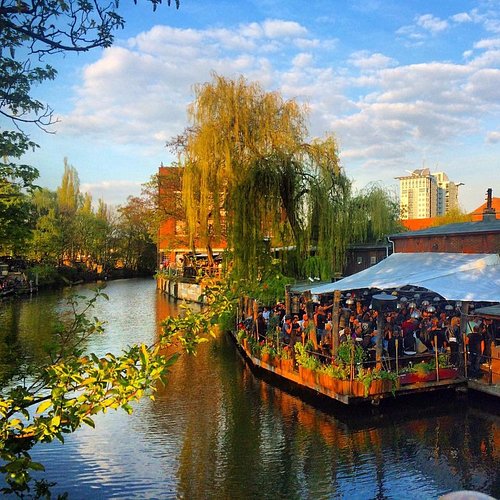
Club der Visionäre is a low wooden structure spilling out onto the canal, with platforms hovering just above the waterline. Dancers lean against railings, listen to minimal sets, and watch reflections of light and boats drift past at arm’s length.

It blurs categories of bar, club, and public space. People arrive by bike, slip in for a drink, or stay until sunrise. The intimacy of the decks makes the city feel small, reminding visitors that Berlin’s nightlife also happens at a slow, conversational scale.

Official website Back to map
Teufelsberg domes with graffiti

Teufelsberg

Art Pulse · Grunewald · Spy station turned graffiti mountain
Art Pulse Adaptive reuse 2000s expansion

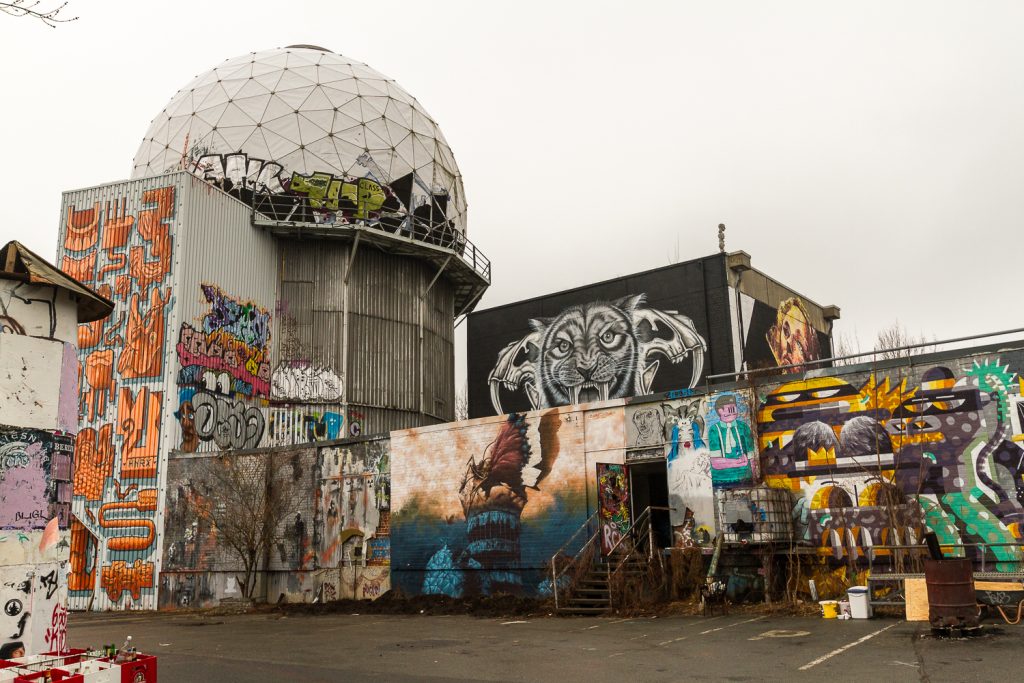
Teufelsberg is a Cold War listening station built on an artificial hill of rubble – a mountain literally made from the ruins of bombed-out Berlin. Today its crumbling radar domes are covered in murals, throw-ups, and tags, stacked layer upon layer as artists paint over each other’s work.

The site operates as an unofficial museum of the city’s subconscious: war, surveillance, tourism, and subculture collide on concrete walls exposed to wind and forest. Walking up the hill, visitors move through multiple histories at once, from military architecture to Instagram scenery.

Visitor information Back to map
Urban Spree yard

Urban Spree

Art Pulse · Friedrichshain · Graffiti yard, gallery, music venue
Art Pulse Found / improvised 2010s consolidation

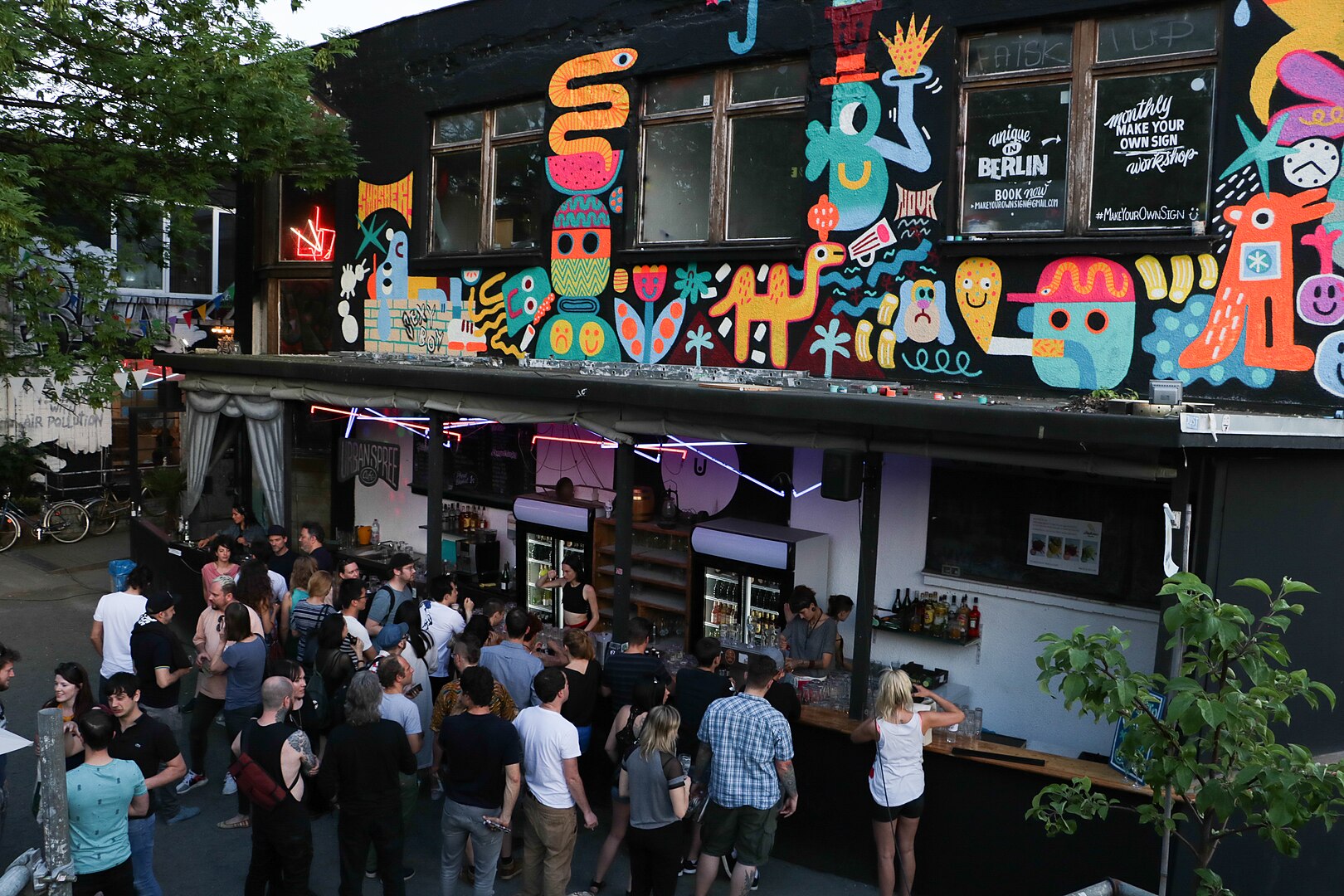
Urban Spree is built around a constantly repainted wall: large-scale murals rise, are photographed, and then disappear under new layers. A gallery, small concert hall, and beer garden orbit this surface, turning the whole compound into a rehearsal space for urban image-making.

The project foregrounds process over permanence. Artists in residence, zine fairs, and gigs overlap in the same courtyard, making it a meeting point for punk, illustration, sound, and street art scenes. Rather than freezing work behind glass, Urban Spree lets it erode and renew in public.

Official website Back to map
East Side Gallery wall paintings

East Side Gallery

Art Pulse · Friedrichshain · 1.3 km of painted Wall
Art Pulse Adaptive reuse Reunification pulse

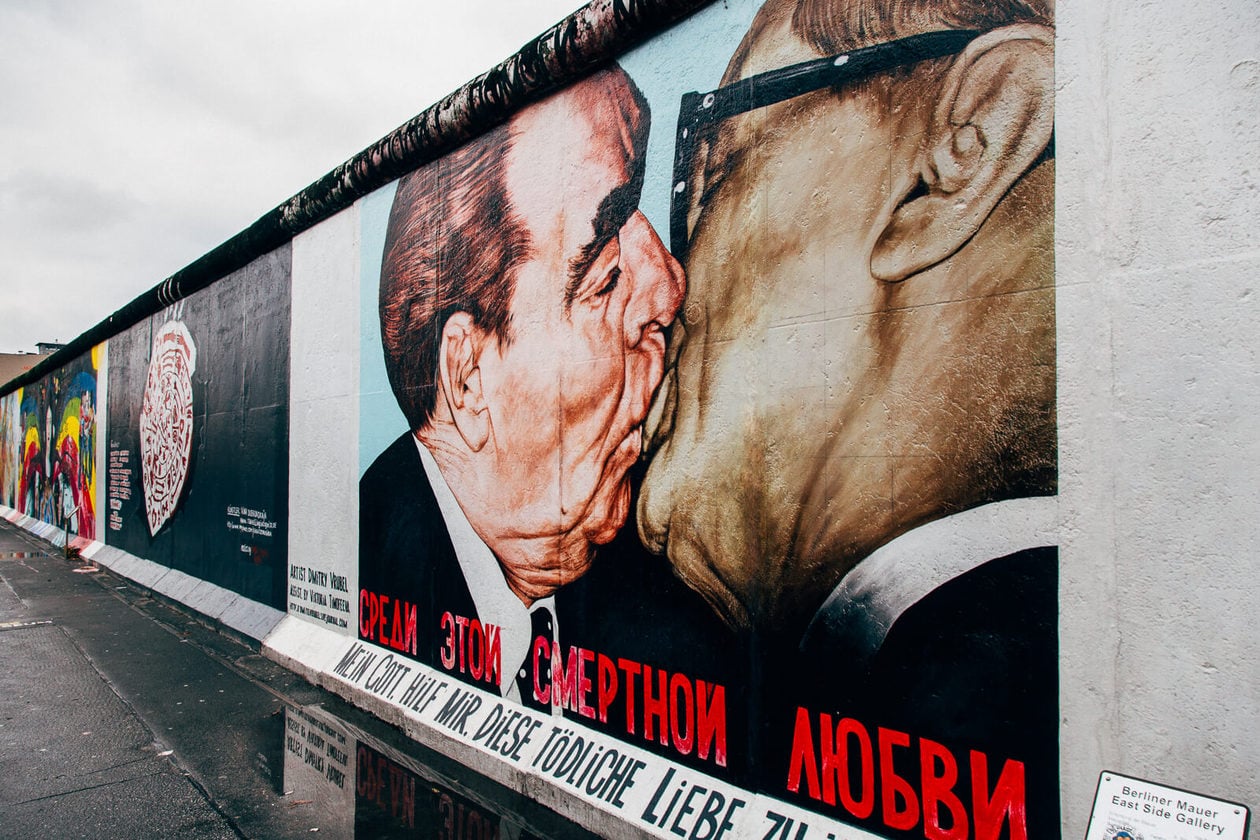
The East Side Gallery is the longest surviving stretch of the Berlin Wall, turned in 1990 into an open-air gallery of political and poetic murals. It flips a tool of separation into a surface for expression, but also into a carefully managed tourist route.

Today, the site sits between commemoration and commodification. Iconic images like the “Fraternal Kiss” attract selfie queues, while debates continue about preservation, vandalism, and real-estate development along the river. The wall asks how a violent border can be aestheticised without being emptied of meaning.

Information & tours Back to map
Haus Schwarzenberg courtyard

Haus Schwarzenberg

Art Pulse · Mitte · Hidden courtyard of murals and micro-museums
Art Pulse Found / improvised Reunification pulse

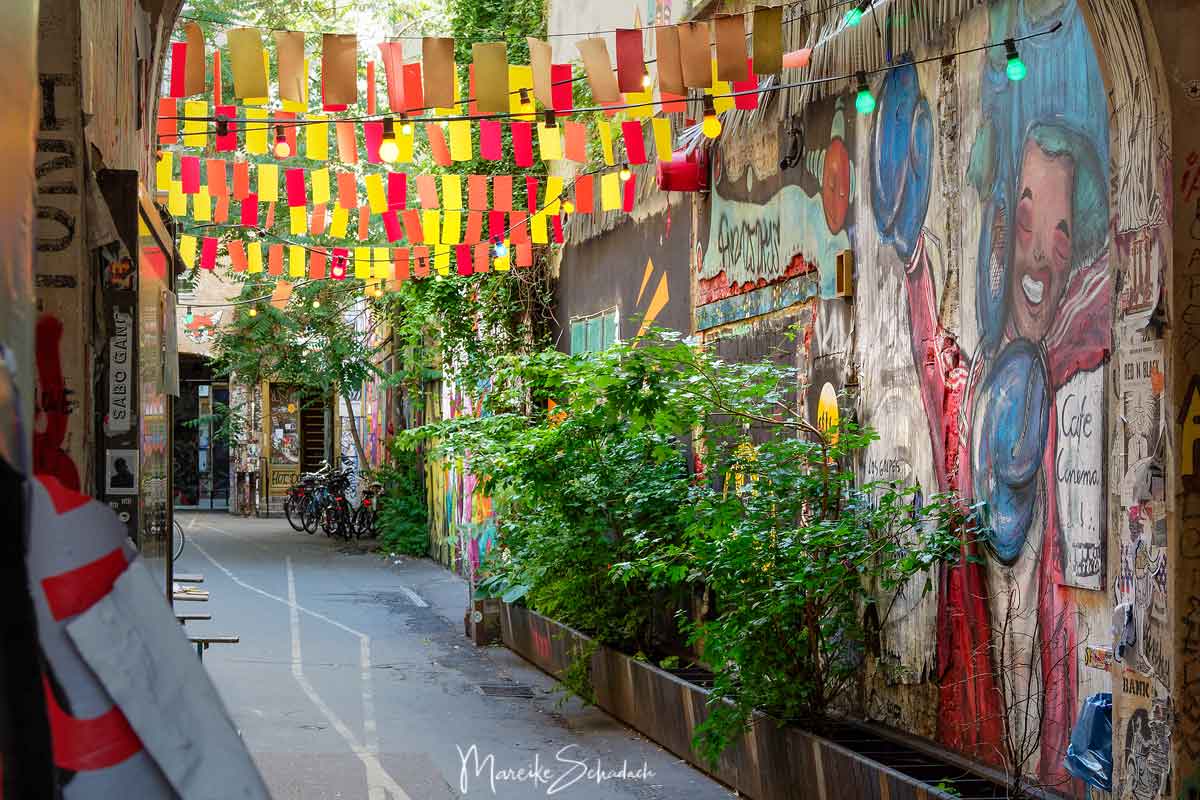
Tucked into a narrow passage off Hackescher Markt, Haus Schwarzenberg opens into a courtyard layered with graffiti, studios, a bar, and tiny museums. The walls and stairwells feel like sketchbooks, full of stickers, stencils, and overlapping tags.

Inside the same building complex, visitors can move from a street-art covered staircase into the Anne Frank Zentrum or a memorial to forced labourers. The space folds together underground aesthetics and institutional memory work, showing how history and nightlife can occupy the same few square meters.

Official website Back to map
Bethanien facade

Kunstraum Kreuzberg / Bethanien

Art Pulse · Kreuzberg · Hospital turned cultural centre
Art Pulse Adaptive reuse Reunification pulse

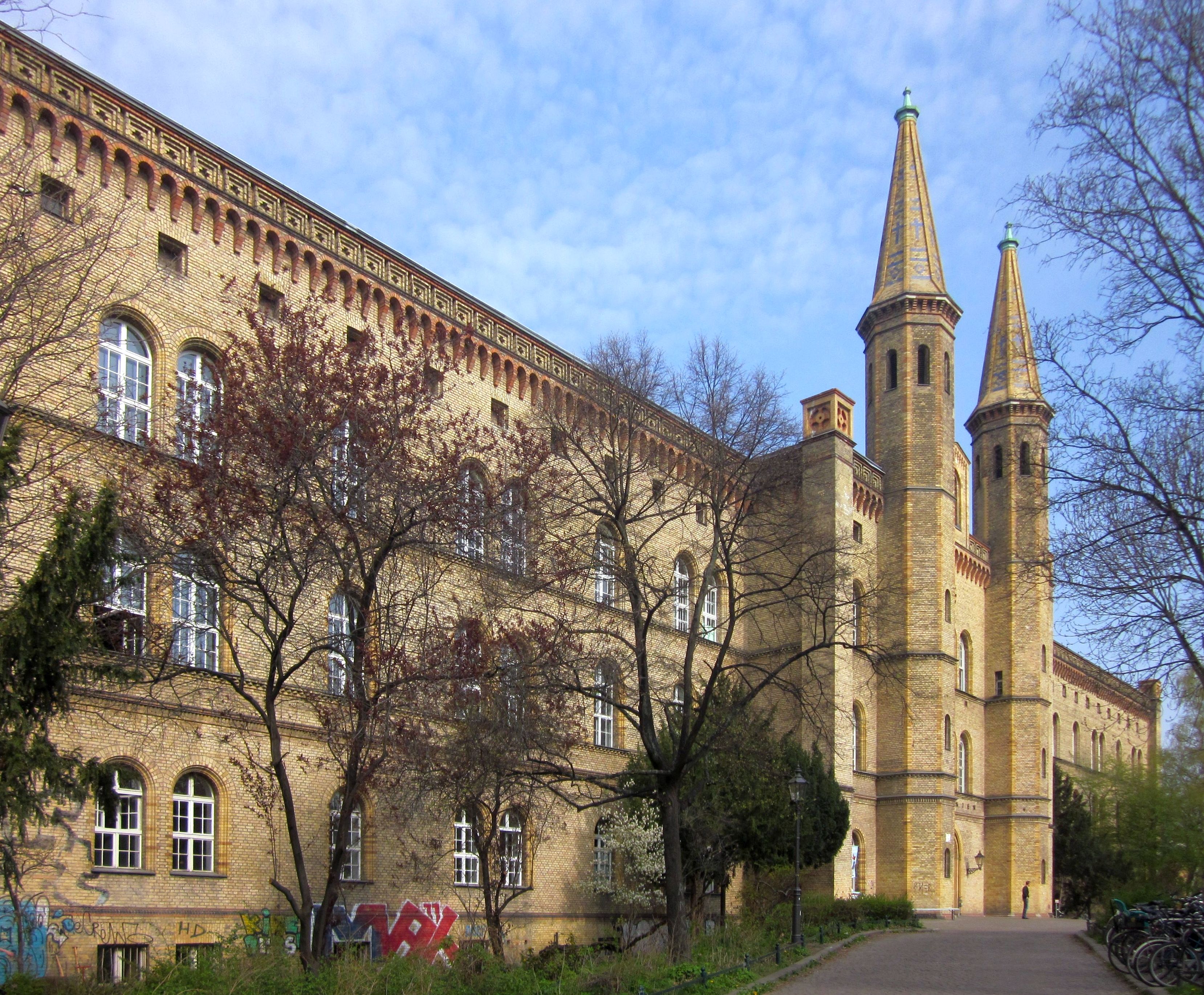
Bethanien is a former hospital complex overlooking Görlitzer Park, now filled with studios, exhibition spaces, and art education programmes. Its long corridors and staircases carry traces of past uses even as they host contemporary installations.

The building is a long-term anchor in Kreuzberg’s cultural ecology, supporting artist-run projects, residencies, and community events. It shows how municipal infrastructure can be slowly reprogrammed into a shared cultural resource without erasing the architecture’s institutional memory.

Official website Back to map
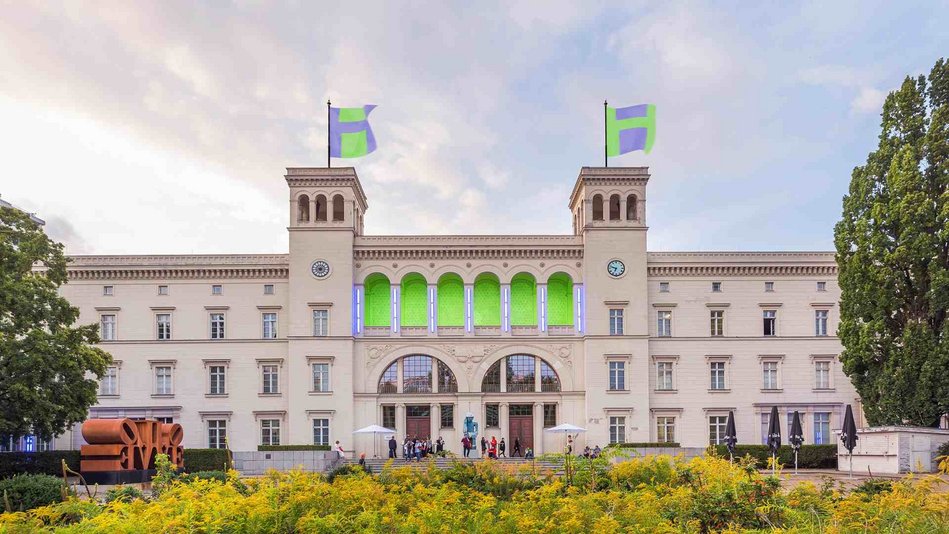
Hamburger Bahnhof museum

Hamburger Bahnhof

Art Pulse · Moabit · Train station turned museum
Art Pulse Adaptive reuse Reunification pulse

Once the terminus of a railway line to Hamburg, this 19th-century station has been transformed into one of Berlin’s main museums for contemporary art. Its vaulted halls lend a monumental scale to installations and collections that might feel modest elsewhere.

Hamburger Bahnhof embodies the institutionalisation of post-wall Berlin’s art scene. It binds state funding, global art markets, and local publics together in one building, raising questions about whose stories and whose aesthetics are given this kind of central platform.

Museum website Back to map
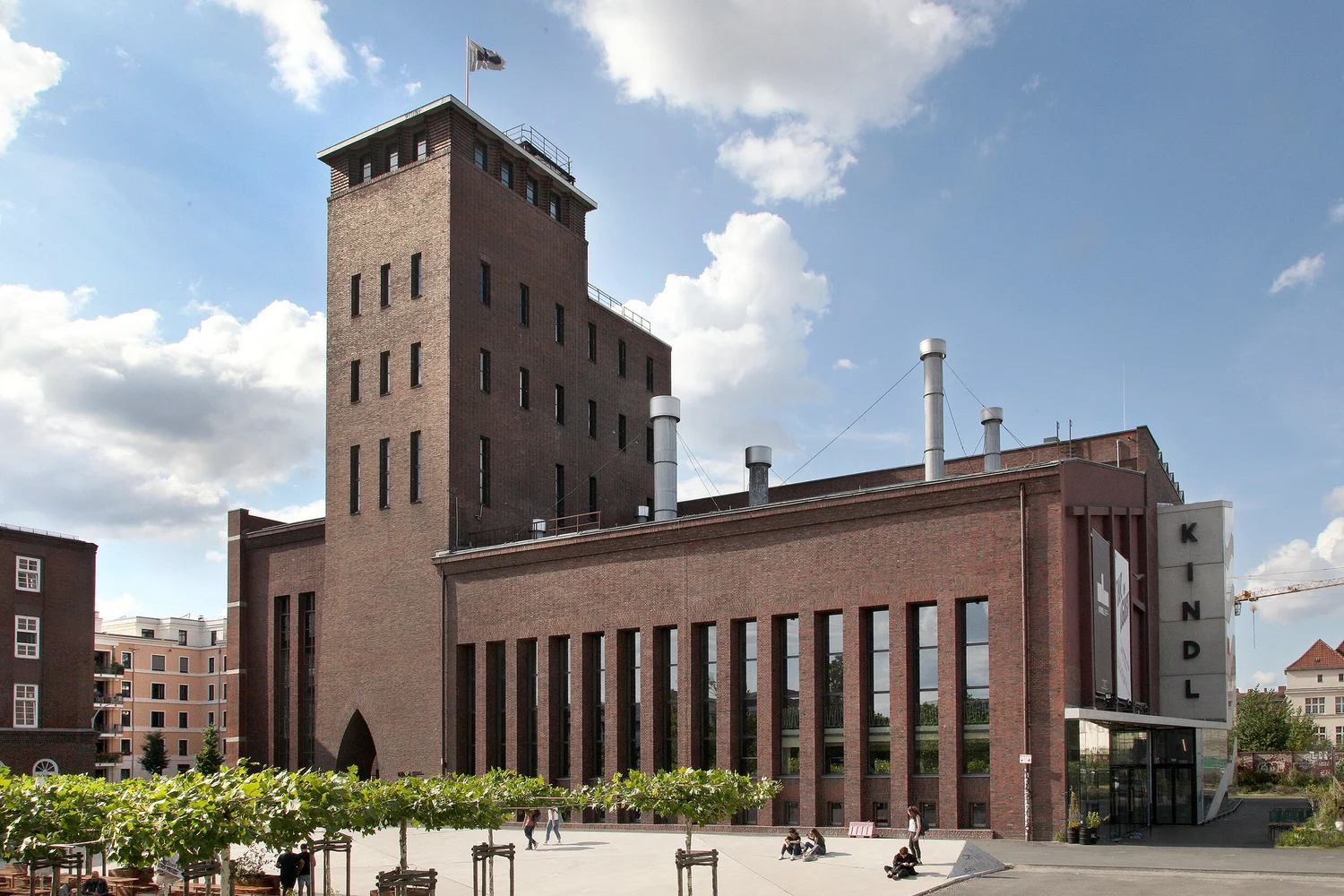
KINDL art centre

KINDL – Zentrum für zeitgenössische Kunst

Art Pulse · Neukölln · Brewery turned art centre
Art Pulse Adaptive reuse 2010s consolidation

KINDL occupies a former brewery complex, where huge brewing tanks and industrial silos now host large-scale installations. The building’s height and raw surfaces invite artists to work with scale and emptiness as much as with objects.

Located in Neukölln, KINDL is part of broader shifts in the district: an influx of galleries, studios, and higher rents. It both supports ambitious artistic production and participates in the symbolic upgrading of a neighbourhood long associated with working-class and migrant life.

Official website Back to map
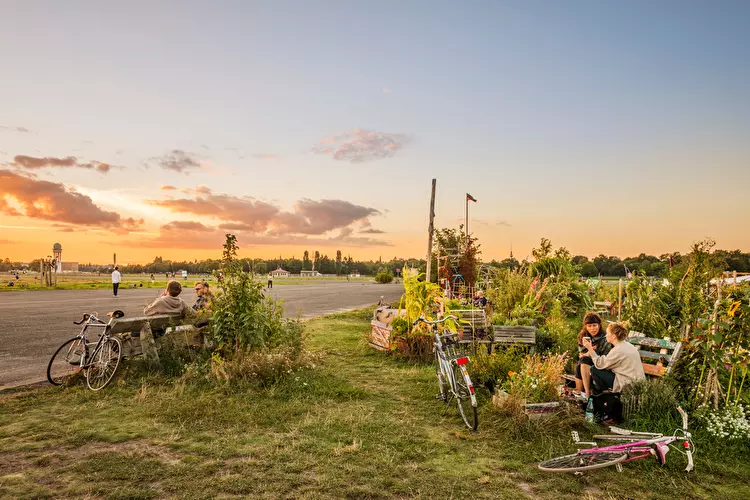
Tempelhofer Feld runway park

Tempelhofer Feld

Community Pulse · Tempelhof / Neukölln · Former airport turned commons
Community Pulse Open-air / commons 2010s consolidation

Tempelhofer Feld is a decommissioned airport converted into an enormous urban park. People cycle, skate, and kite-surf down the old runways, while barbecues, kite flyers, and community gardens claim patches of grass. The emptiness of the former airfield has become a stage for everyday rituals.

The field is also a political space. It has hosted refugee housing, demonstrations, and a city-wide referendum in 2014, when Berliners voted to protect the area from private development. Tempelhofer Feld is a live experiment in treating land as a shared resource rather than a commodity.

Park information Back to map
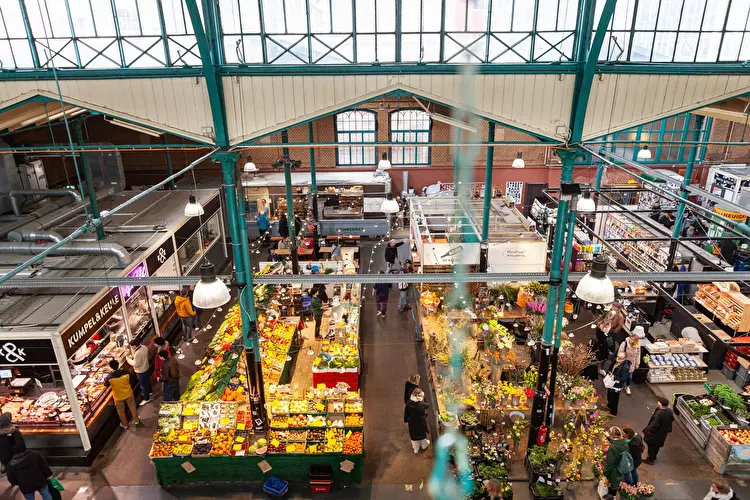
Markthalle Neun indoor market

Markthalle Neun

Community Pulse · Kreuzberg · Historic market turned food hub
Community Pulse Commercial corridor 2010s consolidation

Markthalle Neun is a 19th-century market hall revived as a contemporary food hub. On weekdays, locals shop for bread, vegetables, and cheese; on Street Food Thursdays, the hall fills with stalls selling dishes from around the world, turning dinner into a public event.

The hall condenses Kreuzberg’s social changes into one building. Long-term residents, young professionals, tourists, and food entrepreneurs share the same aisles, while debates over pricing, accessibility, and gentrification swirl between the stalls. Eating here means entering a conversation about whose tastes shape a neighbourhood.

Official website Back to map
Mauerpark amphitheatre karaoke

Mauerpark

Community Pulse · Prenzlauer Berg · Sunday karaoke and flea market
Community Pulse Open-air / commons Reunification pulse

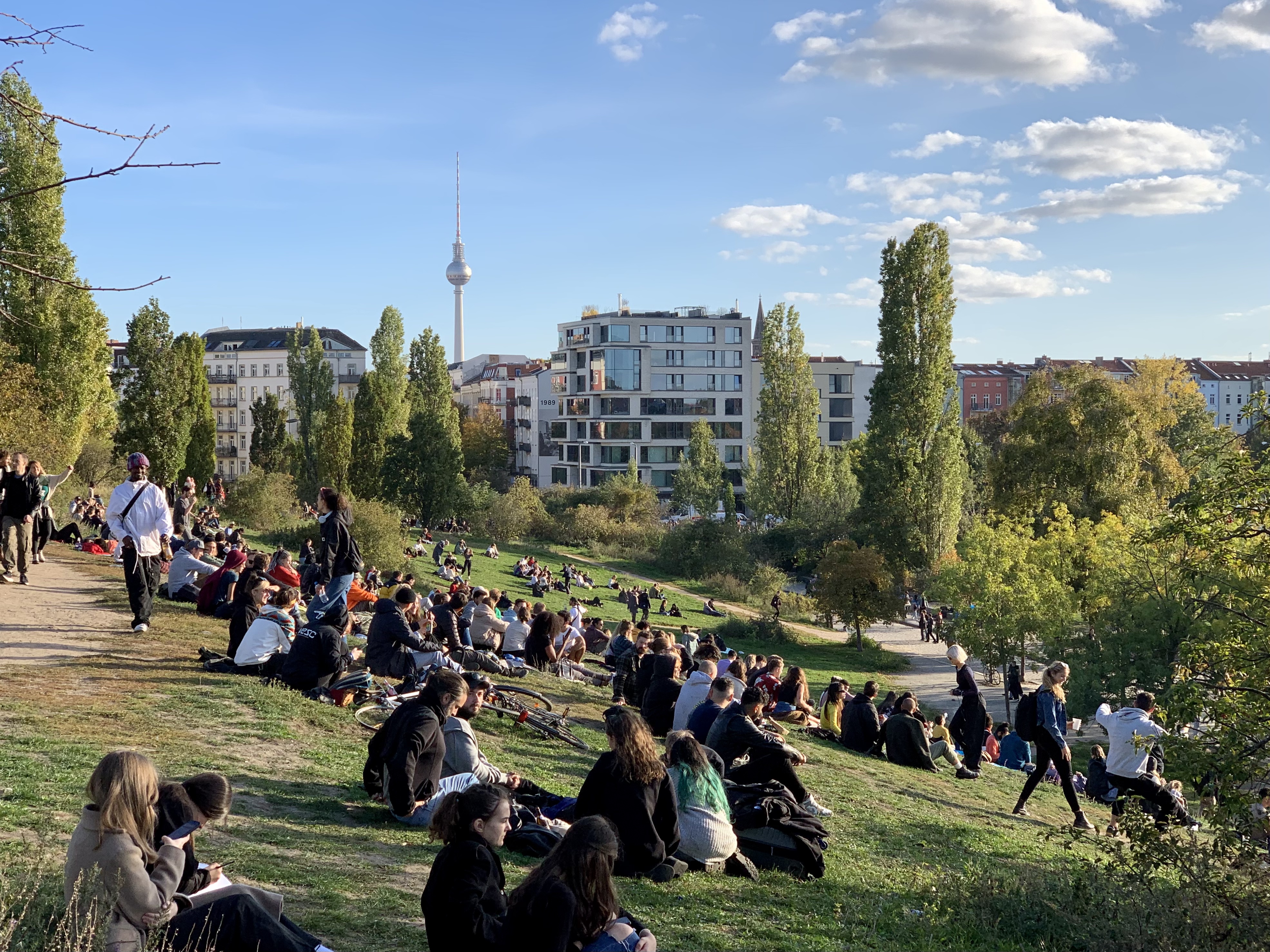
Mauerpark sits on land that was once part of the death strip along the Berlin Wall. Today it is best known for Bearpit Karaoke, where anyone can step into a stone amphitheatre on Sundays and sing in front of a massive, cheering crowd.

The park’s flea market and buskers expand this sense of improvised theatre. Stalls selling records, clothes, and handmade objects blur the line between trash and treasure, while musicians and performers treat the park as an open stage. Mauerpark is a weekly rehearsal of Berlin’s public self-image.

Park information Back to map
Prinzessinnengarten raised beds

Prinzessinnengarten (Moritzplatz)

Community Pulse · Kreuzberg · Movable urban garden
Community Pulse Open-air / commons 2010s consolidation

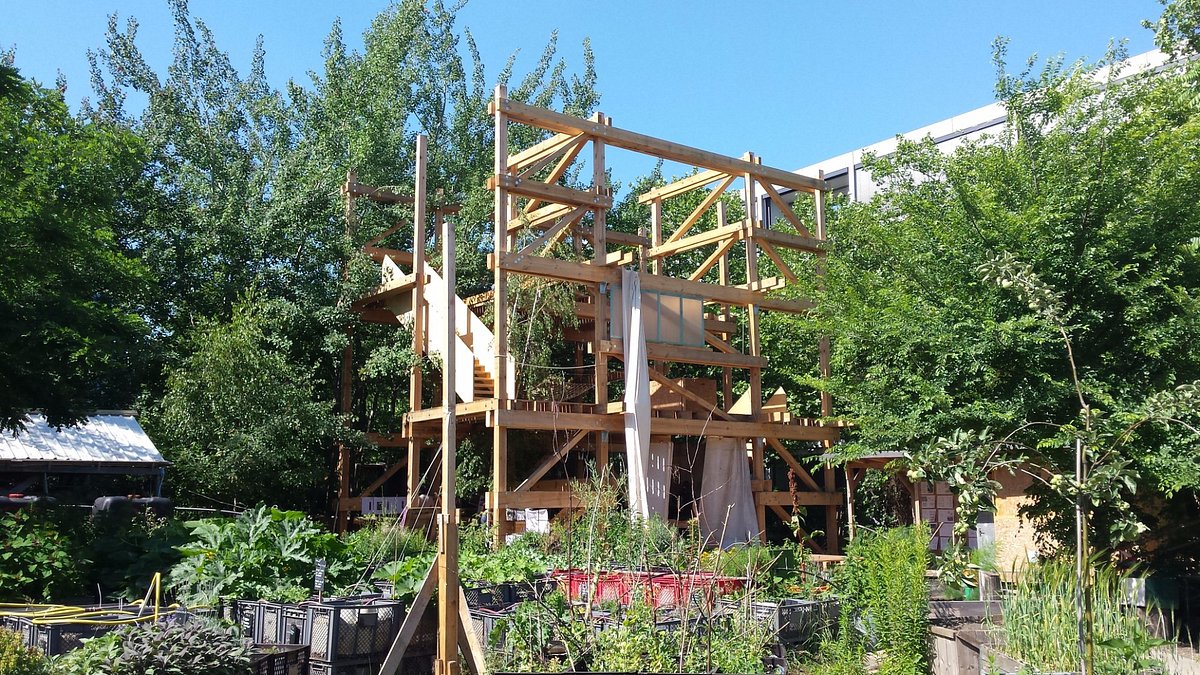
Prinzessinnengarten is an urban garden built in raised beds, bags, and crates on a traffic island at Moritzplatz. Herbs, vegetables, and flowers grow at eye level, while a small kitchen and café serve food made from the same soil.

The project functions as both green space and pedagogical tool. Workshops, talks, and film screenings on ecology, urbanism, and food systems make the garden a classroom on climate and land use. Its provisional structures highlight the precarity of urban commons under development pressure.

Project website Back to map
Holzmarkt 25 village by the river

Holzmarkt 25

Community Pulse · Friedrichshain · Cooperative village on the Spree
Community Pulse Open-air / commons 2010s consolidation

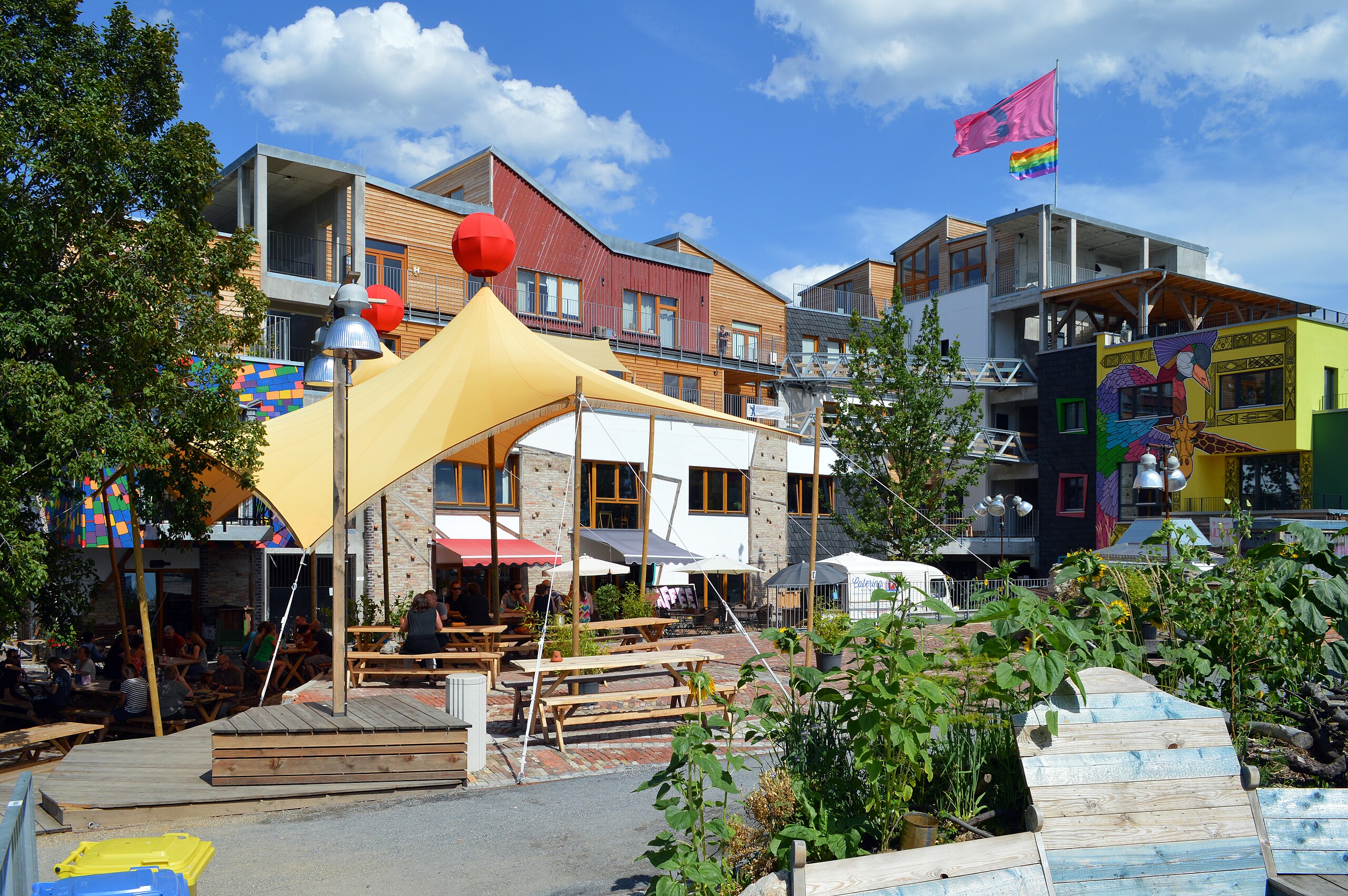
Holzmarkt 25 is a riverside complex of wooden buildings, terraces, studios, and small venues built where the legendary Bar25 once stood. Paths weave between playgrounds, bars, and performance spaces, making it feel like a small village assembled over time.

Organised as a cooperative, Holzmarkt positions itself as an alternative to luxury waterfront development. It mixes commerce with experiments in shared ownership and long-term cultural planning, asking whether party landscapes can also become stable neighbourhood infrastructure.

Official website Back to map
Boxhagener Platz market

Boxhagener Platz Market

Community Pulse · Friedrichshain · Weekly food and flea markets
Community Pulse Open-air / commons 2000s expansion

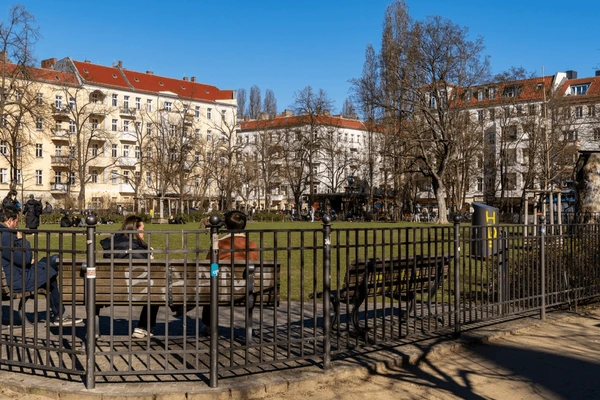
Boxhagener Platz, or “Boxi,” is a neighbourhood square ringed by trees and cafés that transforms into a food market on Saturdays and a flea market on Sundays. Stalls spill around the park’s edge, while the centre remains a playground and resting zone.

The market compresses local and global flows into a single loop: residents trade vegetables, vintage clothes, records, and handmade crafts. It is a weekly choreography of strolling, browsing, listening, and sitting, where the square performs itself as a shared living room.

Visitor info Back to map
YAAM riverside beach and murals

YAAM (Young African Art Market)

Diasporic Pulse · Friedrichshain · Afro-Caribbean riverside hub
Diasporic Pulse Open-air / commons Reunification pulse

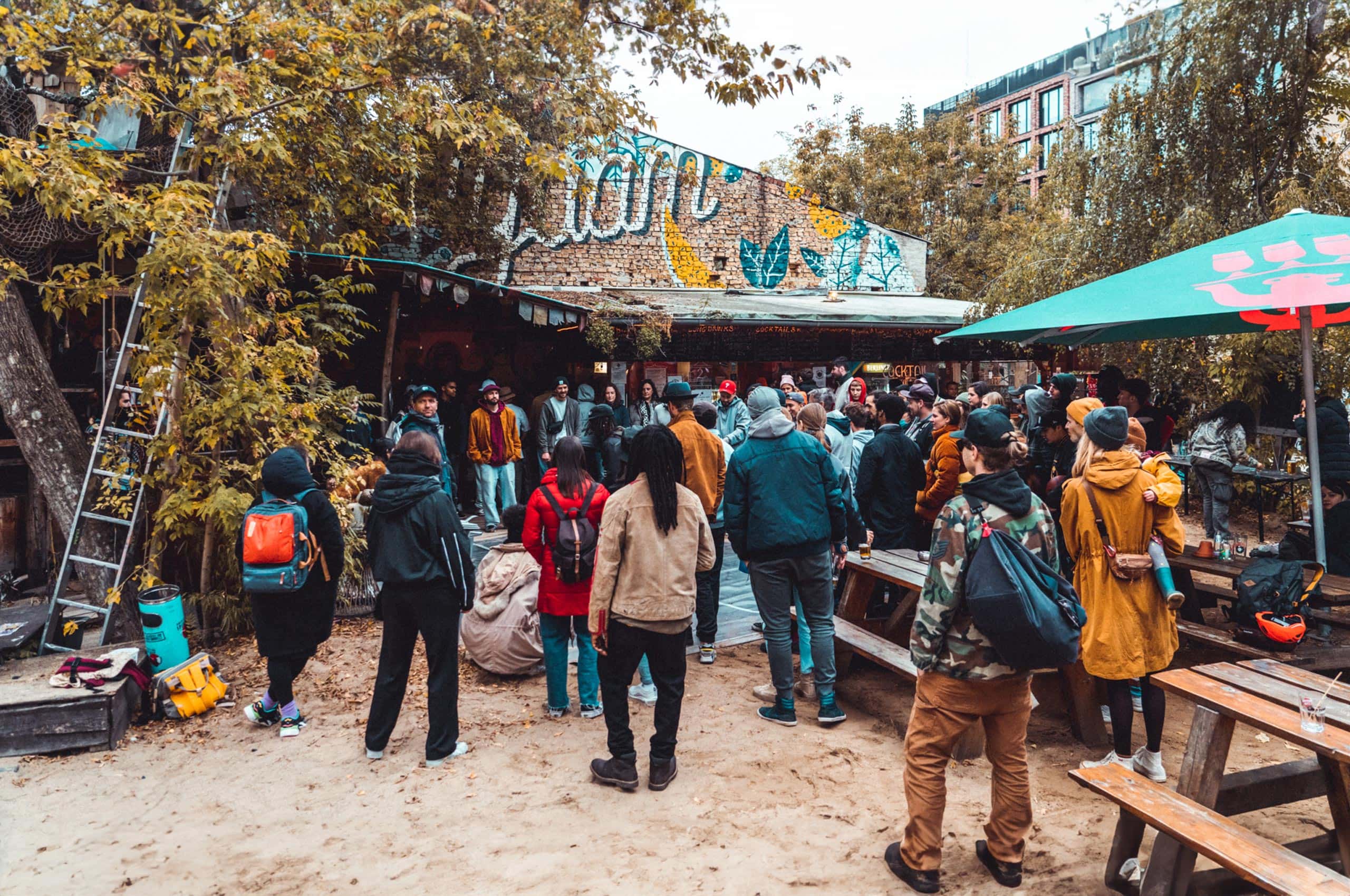
YAAM combines a sandy riverside beach, concert stages, food stands, and sports courts into a multi-use space centred on African and Caribbean cultures. Murals, flags, and sculptures create a visual language distinct from the techno-industrial aesthetics nearby.

Beyond leisure, YAAM operates as an organising point for anti-racist work, youth projects, and diasporic community building. Its long battle against eviction and redevelopment makes it a symbol of resistance to the erasure of Black spaces in the city’s centre.

Official website Back to map
Maybachufer Turkish market stalls

Türkischer Markt Maybachufer

Diasporic Pulse · Neukölln · Turkish-German riverside market
Diasporic Pulse Commercial corridor Reunification pulse

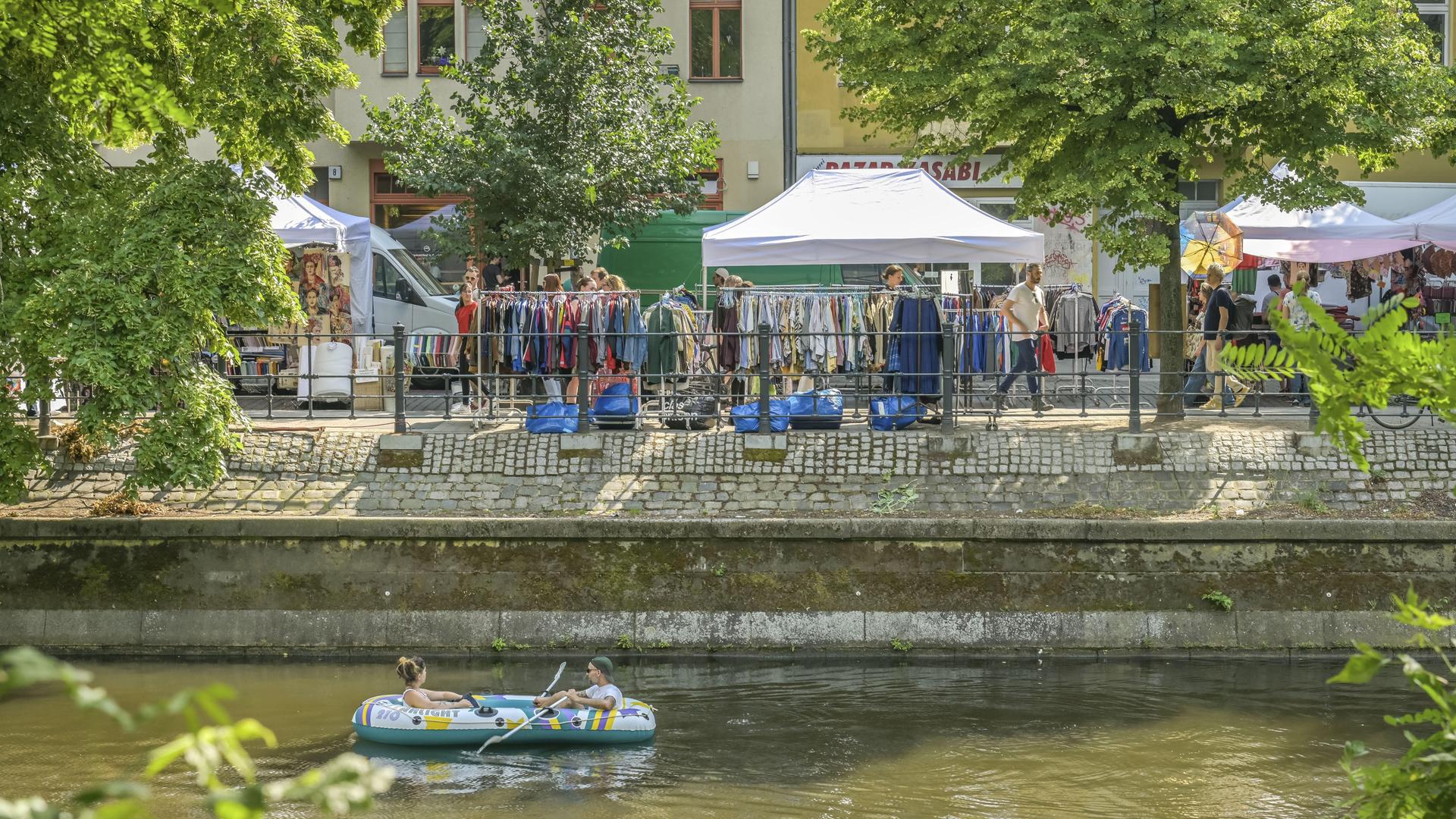
Twice a week, the banks of the Landwehrkanal transform into a densely packed Turkish market. Stalls sell vegetables, olives, fabrics, fish, and fresh börek, while conversations in Turkish, German, and Arabic weave through the crowd.

For many families of Turkish descent, Maybachufer is a multi-generational anchor: a place to maintain language, taste, and ritual. For others, it is an entry point into Turkish-German everyday life. The market renders visible the labour and networks that sustain Berlin’s food culture.

Visitor info Back to map
Dong Xuan Center indoor halls

Dong Xuan Center

Diasporic Pulse · Lichtenberg · Vietnamese commercial hub
Diasporic Pulse Commercial corridor 2000s expansion

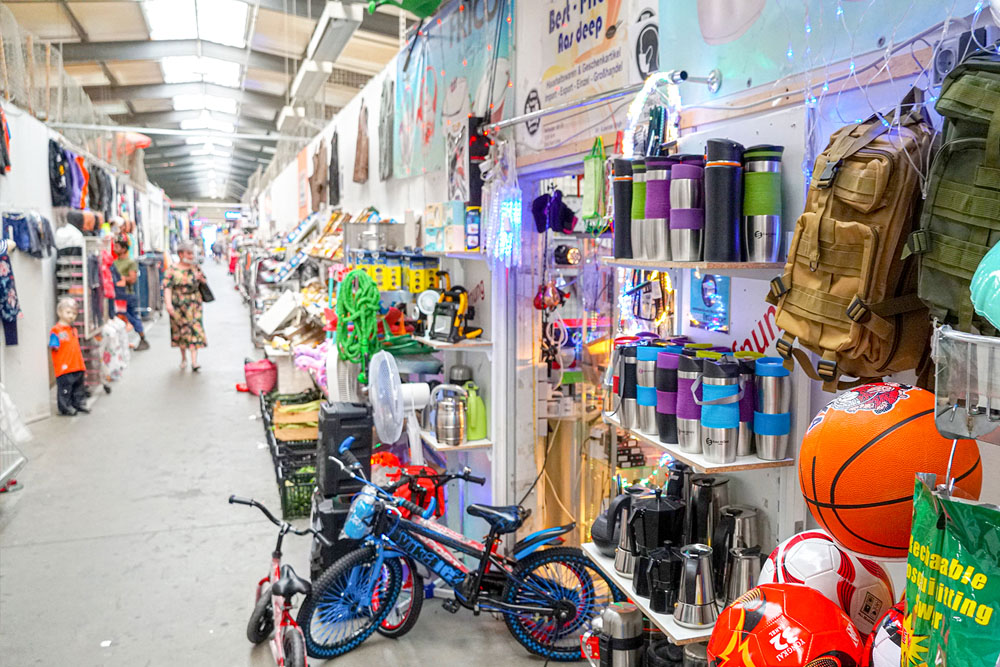
The Dong Xuan Center is a cluster of warehouse halls that houses Vietnamese wholesalers, supermarkets, salons, and restaurants. From the outside, it appears as an anonymous industrial estate; inside, it feels like a small city with its own timings and references.

Born out of post-socialist entrepreneurialism and guest-worker histories, Dong Xuan functions as both business infrastructure and social world. It is where imports, remittances, and everyday logistics intersect – a backstage to the Vietnamese restaurants and nail salons dispersed across Berlin.

Visitor info Back to map
Oyoun cultural centre

Oyoun

Diasporic Pulse · Neukölln · Decolonial arts and community centre
Diasporic Pulse Adaptive reuse Post-2020 shifts

Oyoun describes itself as a space for decolonial, queer, and migrant perspectives. Located in a former cultural centre, it hosts exhibitions, performances, festivals, and reading groups that explicitly question who gets to speak and be heard in Berlin’s art world.

The programme often spans multiple languages and formats, from club nights and film screenings to slow workshops and reading circles. Oyoun turns a neighbourhood building into an active tool for rewriting cultural narratives rather than just reflecting them.

Official website Back to map
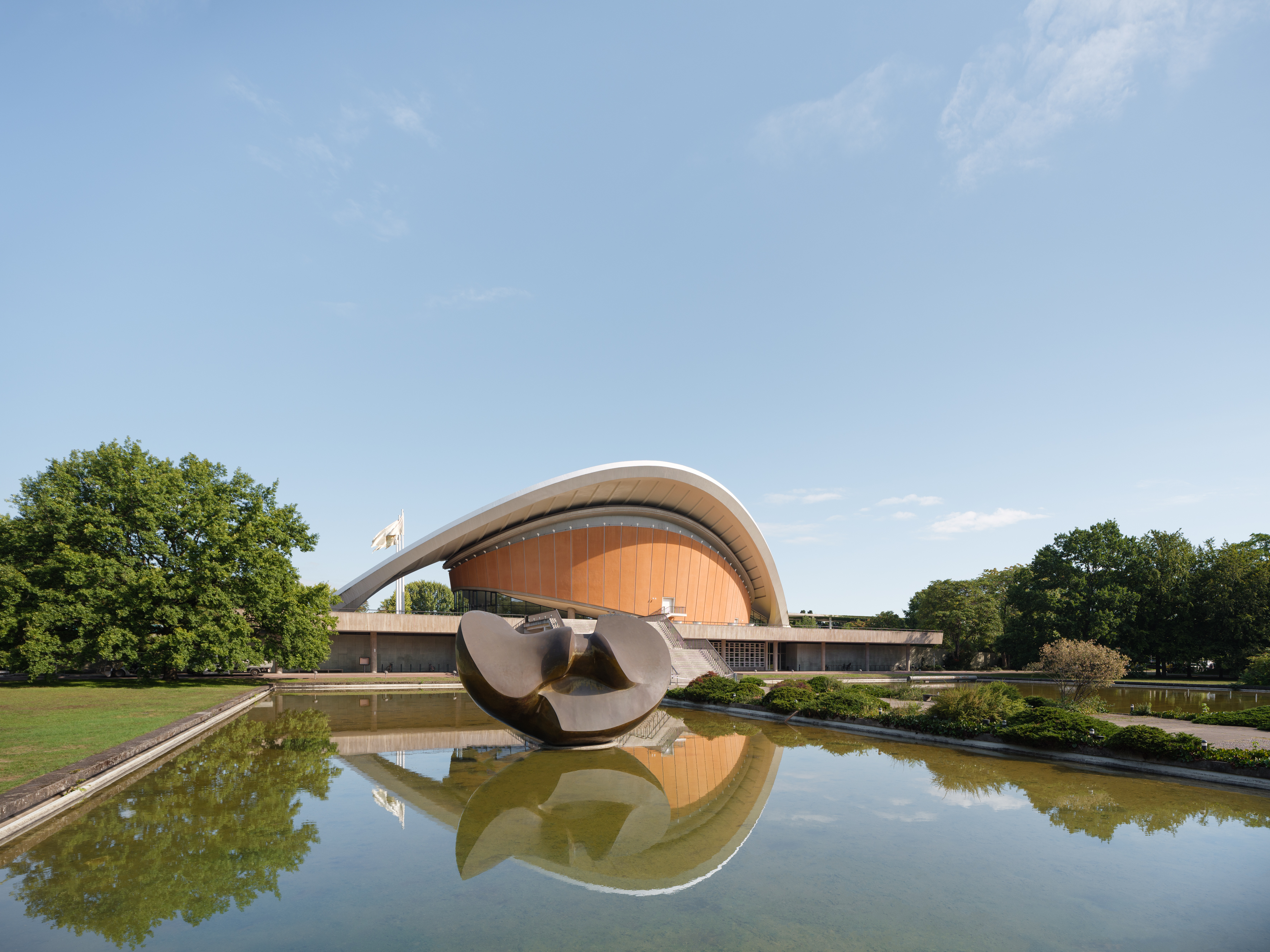
HKW building

Haus der Kulturen der Welt (HKW)

Diasporic Pulse · Tiergarten · Global art institution on the Spree
Diasporic Pulse Purpose-built Post-2020 shifts

HKW is a former Cold War congress hall that has become a landmark institution for global and decolonial art, theory, and performance. Its dramatic roof and riverside terrace host festivals, concerts, talks, and biennial-scale shows.

Under recent artistic directions, HKW has repositioned itself as a place where colonial histories, climate crisis, and migration are approached together. It demonstrates how a large, state-supported building can be used to question the very structures it once symbolised.

Official website Back to map

Scroll, filter, and jump to follow Berlin’s cultural pulse.